
After a year of lockdowns in 2020, many of us have over-indulged this festive season. Now it’s time for a bit of care and attention, which for me includes ‘dry January’.
Alcohol Change UK launched the first official ‘dry January’ campaign in 2013 and it has become increasingly popular ever since, with a reported 4 million people taking part in 2020.
Dry January won’t be easy for me. I enjoy wine with food, and I think wine enhances the overall experience of a meal, especially when I’ve taken the time to cook something special. Classic sugary soft drinks just don’t have the same effect.
But the market is changing. More people are making mindful choices about what and when they drink, and drinks producers are investing in creating better non-alcoholic alternatives.
This means there are more options available and I’ve been researching throughout the year to curate my own recommendations.
Aperitifs
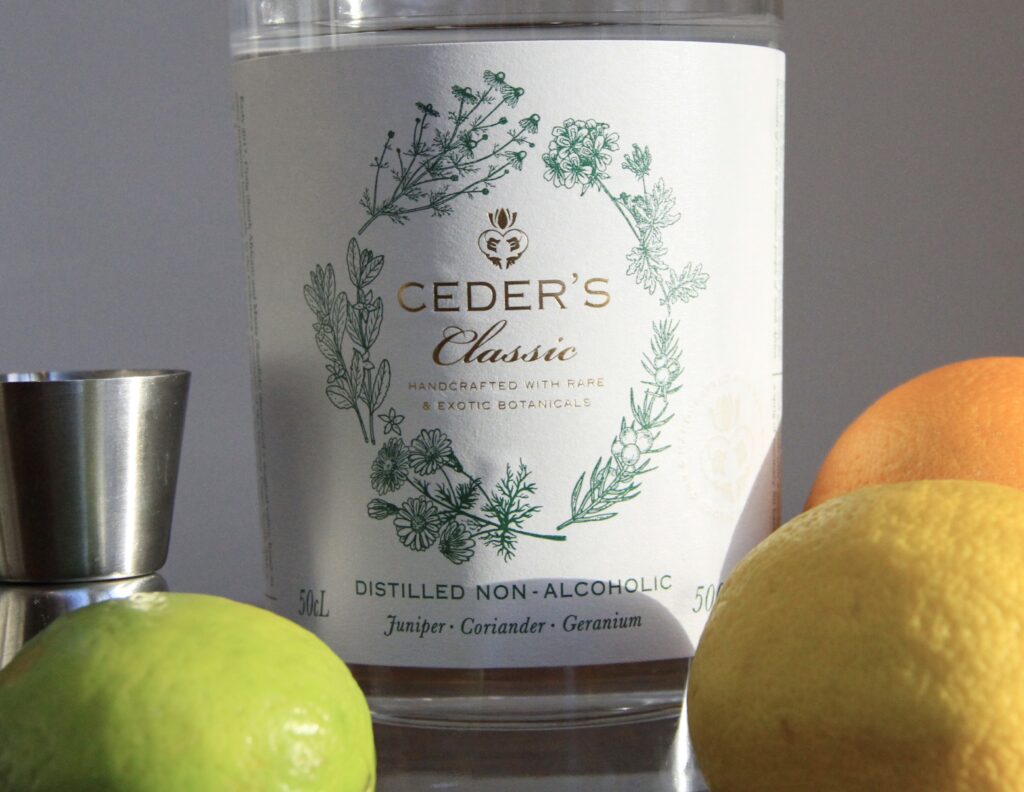
The market for alcohol-free distilled ‘alt-spirits’ is very good, with many gin and vodka alternatives available. Classical distillation techniques are typically used to create a flavour that is familiar, but without the hangover.
I recommend Ceder’s Classic an ‘alt-gin’ that combines South African botanicals from the Cederberg Valley with Swedish water. The ‘Classic’ works well with tonic water and a slice of lime, which brings out the coriander flavours with a hit of coconut.
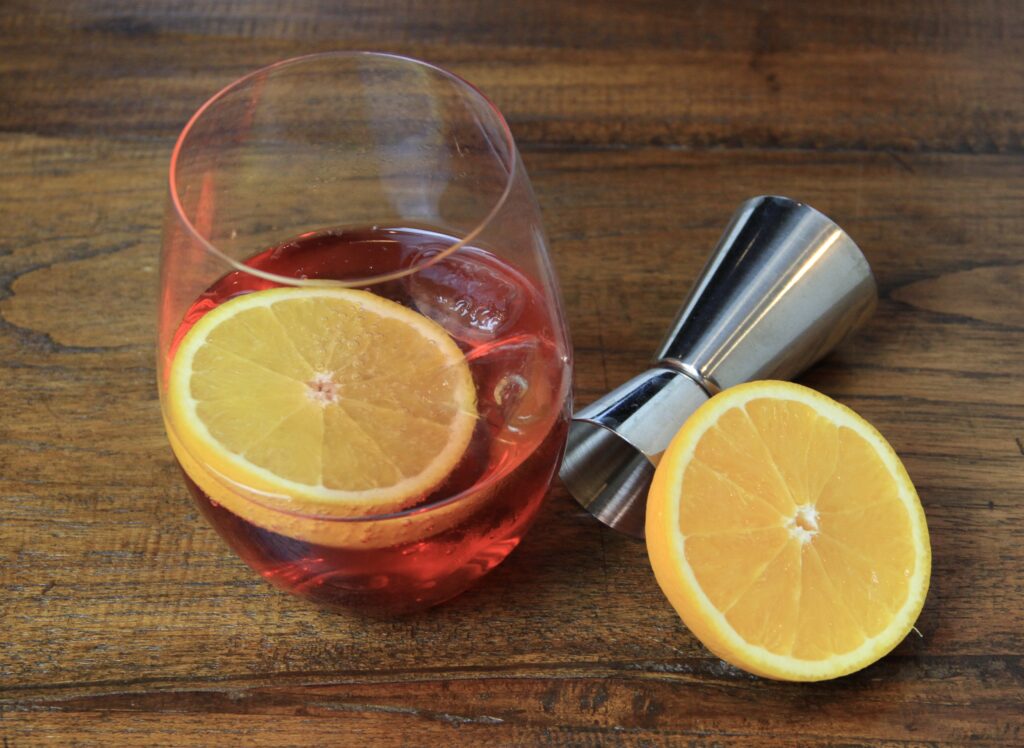
If you prefer a more bitter flavour as in Campari then I recommend trying the San Pellegrino San Bitter. I like to cut it 50/50 with soda water and add a slice of orange.
Wines
I’ll be honest, most of the low-alcohol and de-alcoholised wine that I’ve tried so far is unimpressive. Wine needs to be fermented in order to produce the aromas, flavours and textures that we know.
This means that additional processes are required to remove or reduce the alcohol. The processes are complicated and expensive, and many producers are still developing their techniques. Generally, I’ve found the wines to be too sickly sweet and with a background ‘chemical’ flavour from the processing.
There are a couple of exceptions though, and some good wine alternatives that are worth trying.
De-alcoholised wine

By law, a wine must contain at least 8% alcohol by volume (abv) to be labelled as wine. Alternative labelling is needed when the wine has been developed to be low-alcohol or alcohol-free. The term ‘de-alcoholised’ is used to describe a wine that has been fermented to produce alcohol, then the had the alcohol removed through other processes.
The Torres Natureo Blanco (0.0%) is made from Muscat – a naturally sweet and low alcohol grape variety. This means to de-alcoholise the wine less processing is needed, preserving more of the natural flavours. I think it needs to be well chilled or cut with soda and then it works well with spicy food, such as a Thai curry.
For a fizz, I recommend the Luna de Murviedro (0.01%) a sparkling de-alcoholised wine from south-east Spain. The wine is created as a regular sparkling wine but in temperature-controlled conditions to minimise the alcohol and then it is de-alcoholised. The result is a fresh (sweet but not sickly) sparkling wine with flavours of strawberries and raspberries.
Wine alternatives
There are a number of good products on the market that have been developed using other bases, such as tea or cider vinegar to produce an alcohol-free alternative that is not wine but creates the similar flavours and experience of wine.
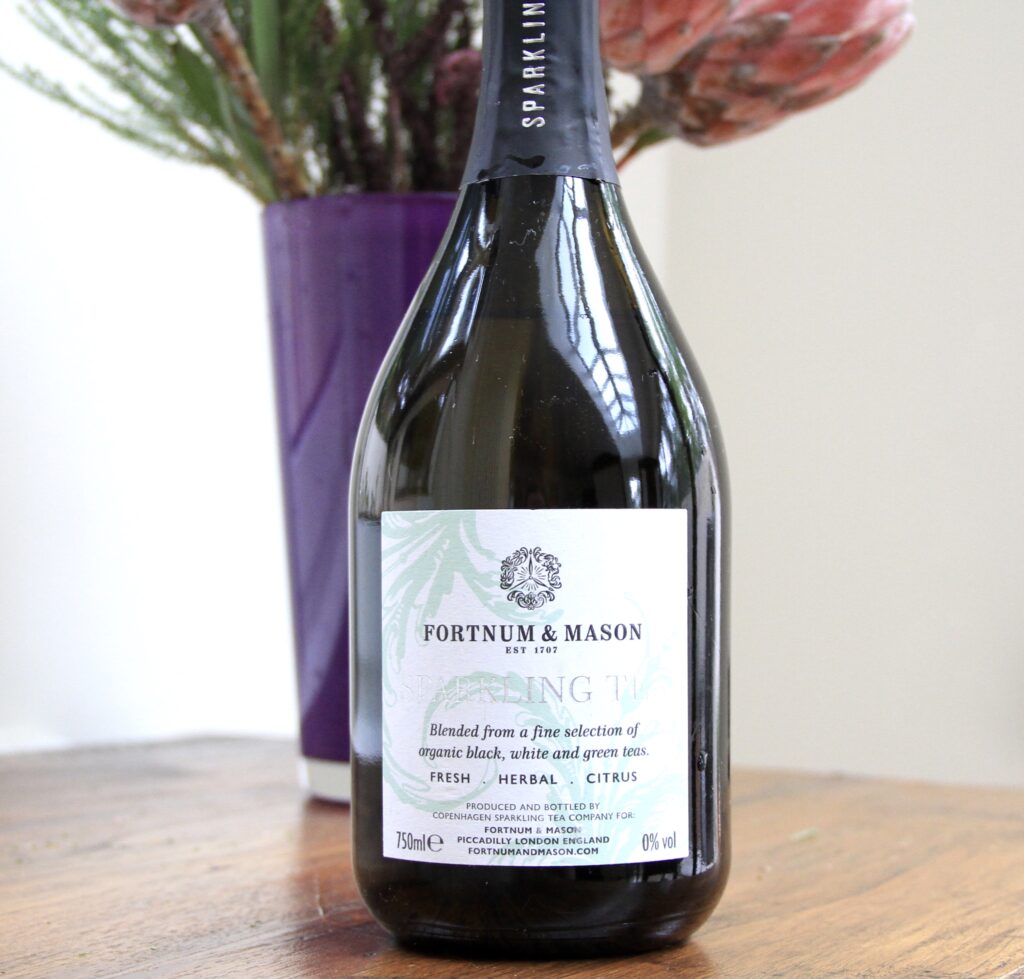
My favourite sparkling alternative is the Fortnum and Mason Sparkling Tea. It has flavours and aromas of elderflower, apricot and a bit of lemon citrus from a blend of different teas and aromatics. I like it on its own or with canapés.
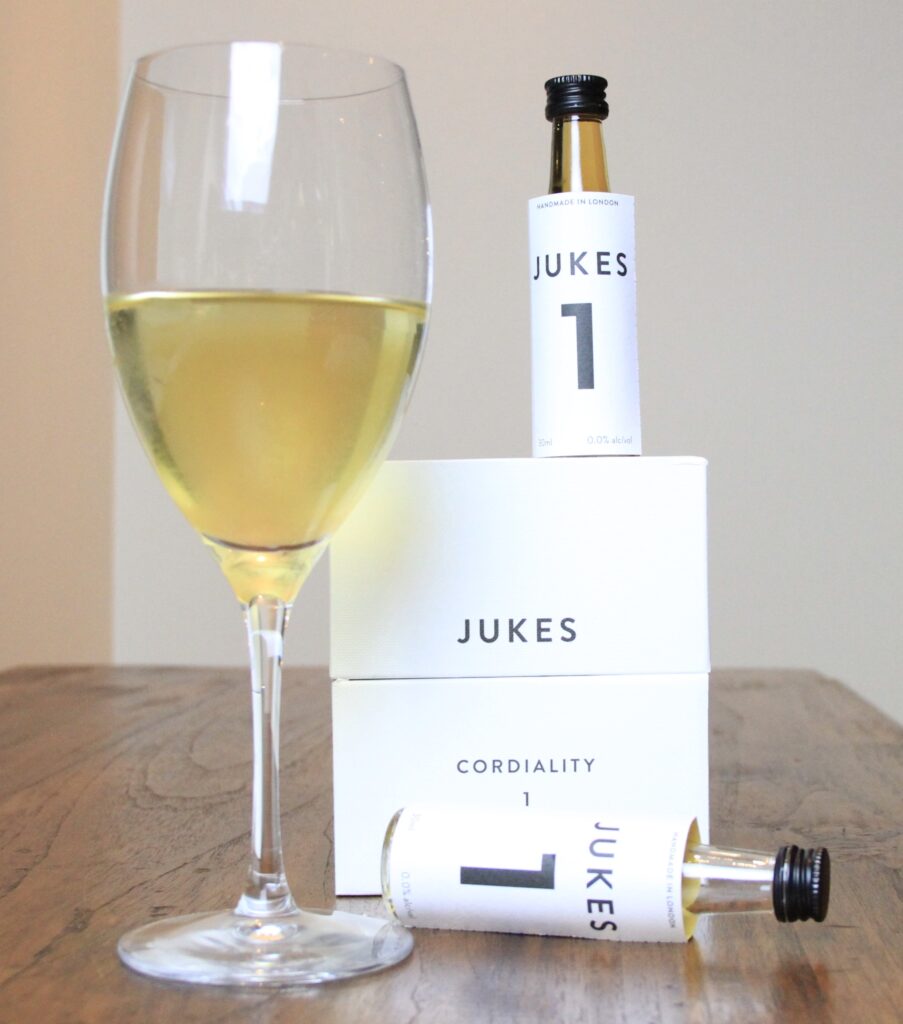
For a non-sparkling alternative, I recommend Jukes Cordialities. There are three – a red, a white and a rose option – each based on cider vinegar with a range of aromatics to create a wine-like experience. I tried the Jukes 1 – a white option, which has flavours and aromas of apples, citrus and a bit of herb. It isn’t wine, but it is a genuinely grown-up alternative.
Beer
The beer industry has made great progress in developing non-alcoholic options and is well ahead of the wine industry. Many household brands have good non-alcoholic options and are worth trying. For a 0.0% option, the Stella Artois 0.0% is the closest in flavour to the original.
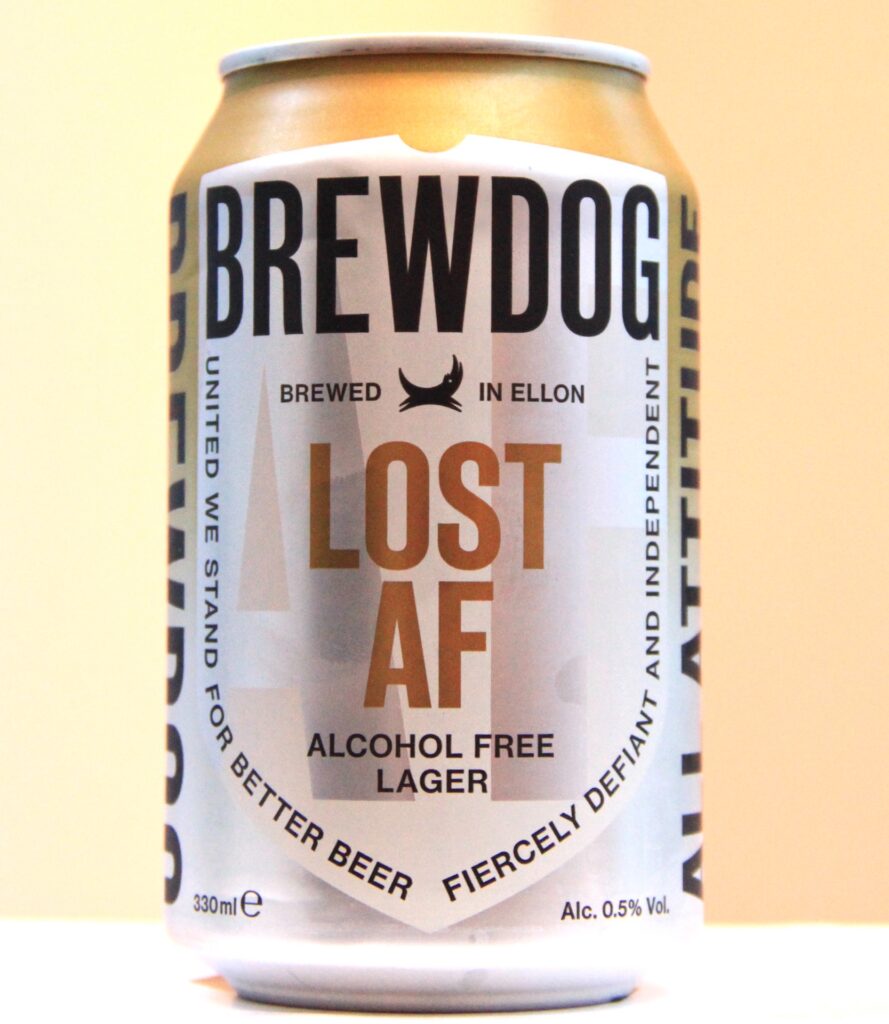
My favourite is BrewDog for both the range and quality of their alcohol-free (AF) beers. With three regular beers and occasional ‘specials’, all styles and tastes are covered. The Lost AF (0.5%) is my choice, which is a refreshing pilsner-style beer that is almost indistinguishable from the original.
The beer is 0.5% abv, which is ‘low alcohol’ rather than completely alcohol free. Complexities in current EU food labelling and licensing laws allow 0.5% products to be labelled alcohol-free, for now.
Generally 0.5% abv is accepted by licensing laws and health practitioners as being as good as non-alcoholic since the impact of alcohol as this level of concentration is negligible and reflects the levels of alcohol that occur naturally in many products, such as bananas.
Whatever your reasons for reducing your alcohol intake, there are some great alternatives available. Maybe ‘dry January’ won’t be so bad!
If you need additional inspiration, help or support, there are many resources available, here are some suggestions:
- Sign up for dry January: Alcohol Change UK
- Know the facts: drinkaware
- Courses and support: Club Soda
About
Jo is an independent wine enthusiast, who is qualified as WSET Level 3 (with distinction). She is passionate about wine and enjoys sharing her advice through her blogs. Jo is also a keen photographer and loves taking the photos of wine almost as much as tasting it! Read more on My Story.


